Adult Strabismus: Complete Guide to Causes, Treatment & Recovery [2026]
Everything you need to know about adult strabismus: types, causes, treatment options, surgery success rates, and the emotional journey of living with misaligned eyes.
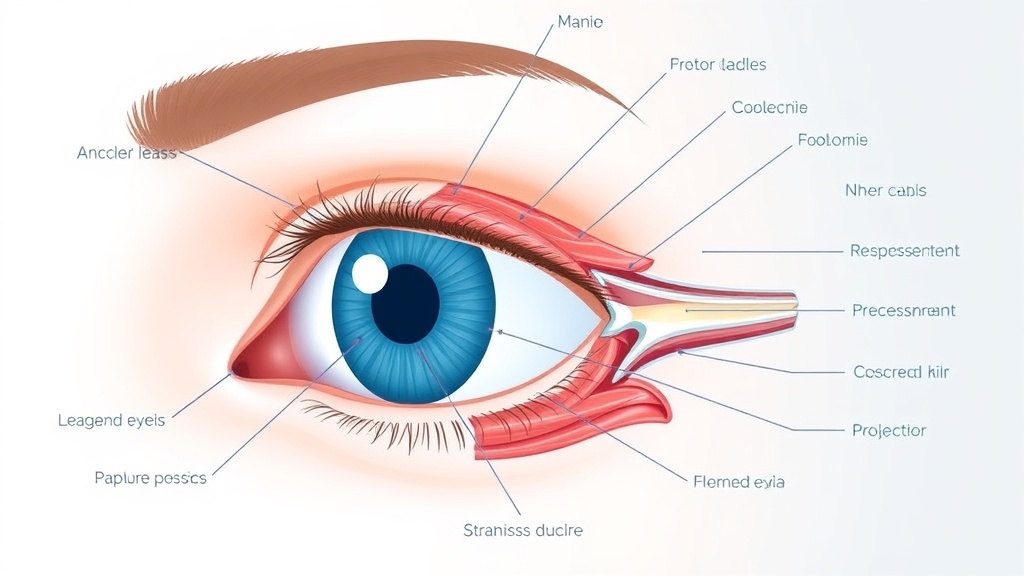
Adult strabismus affects millions, yet most suffer in silence. You've probably spent years avoiding eye contact in conversations. Maybe you tilt your head slightly in photos without even realizing it. Or maybe you've been talking in a group of friends, and suddenly everyone looks confused, not sure who you're actually speaking to.
If any of that sounds familiar, you're not alone. And you're in the right place.
Strabismus, the medical term for misaligned eyes, affects roughly 4% of the population. That's millions of adults walking around right now dealing with the same frustrations, the same insecurities, and the same questions you have.
This guide is different. It's built for you, the adult who just got diagnosed, the one considering surgery, or the one who's known about their strabismus for decades but never found a community that truly gets it.
What Is Adult Strabismus?
Strabismus is a condition where your eyes don't align with each other. While one eye looks straight at what you're focused on, the other turns in a different direction. It's that simple, and that complicated.
There are four main types:
Esotropia is when one eye turns inward, toward your nose. This is what most people picture when they hear "crossed eyes." It's the most common type, and it can range from barely noticeable to obvious.
Exotropia is the opposite, one eye drifts outward, away from the nose. Sometimes called "wall eye," this type often starts as intermittent, showing up when you're tired, stressed, or staring into the distance, and gradually becomes more frequent over time.
Hypertropia is when one eye sits higher than the other, turning slightly upward. It's less common but can cause significant head tilting as your brain tries to compensate.
Hypotropia is the reverse, with one eye drifting downward.
Some people experience their strabismus constantly. Others deal with an intermittent version that comes and goes, often getting worse with fatigue, illness, or stress.
Strabismus Is NOT Just Cosmetic
Here's something that needs to be said clearly: strabismus is not just a cosmetic issue. That label has done real damage to real people, especially when insurance companies use it as a reason to deny coverage.
The truth is, strabismus goes far beyond appearance:
- Misaligned eyes affect how your brain processes visual information
- It causes double vision and destroys depth perception
- It leads to chronic eye strain and headaches
- It makes everyday tasks like driving or reading harder than they should be
But the real damage? It's what happens inside. It's avoiding your own reflection. It's walking into every room already calculating how people see you. It's the constant mental weight of feeling like something about you is broken in a way that everyone can see.
No one deserves to live like that.
What Causes Adult Strabismus?
If you've had strabismus your entire life, you were probably born with it, or it developed in early childhood and was either never treated, partially treated, or treated successfully but came back years later.
But not everyone has had it since childhood. Some adults develop strabismus later in life, and it catches them completely off guard.
Acquired adult strabismus can be triggered by:
- Neurological conditions like stroke, brain injury, or multiple sclerosis
- Thyroid eye disease, particularly Graves' disease
- Physical trauma to the head or face
- Diabetes affecting nerve function
- In some cases, no clear cause is identified
There's also the role of stress and fatigue. They don't cause strabismus on their own, but if you have an existing condition, even a mild one you barely notice, exhaustion and stress can make it significantly worse.
Genetics play a role too. Strabismus tends to run in families.
Signs and Symptoms
The most obvious sign is the one you already know: your eyes don't look in the same direction. But strabismus shows up in other ways:
Double vision is one of the most disorienting symptoms. Your brain receives two different images that it can't merge into one.
Eye strain and headaches. Your brain is constantly working overtime trying to reconcile two misaligned images, and that effort takes a toll.
Depth perception problems. Judging distances becomes unreliable. Pouring water into a glass gets tricky, catching a ball feels impossible, and parking a car turns into a stressful guessing game.
The head tilt you've developed without realizing it. Your brain's way of compensating to reduce double vision.
Avoiding eye contact. Not because you're shy, but because eye contact means someone looking directly at the thing you're most self-conscious about.
Adult Strabismus Treatment Options
This is the section most people skip ahead to. Here's what you need to know:
Surgery
Strabismus surgery works by adjusting the muscles attached to the outside of your eyeball. The surgeon either tightens a muscle, loosens one, or repositions it to pull the eye into better alignment.
The procedure takes about 30 minutes. You're under general anesthesia, so you won't feel or see anything during it. Most people go home the same day.
Success rates: Approximately 80% of adults achieve satisfactory alignment with one surgical procedure. With revision surgery if needed, rates reach 90% or higher.
The fear is usually worse than the reality. The risk of serious vision loss is extraordinarily low, less than 1 in 10,000. Most patients describe the discomfort as a feeling like there's a grain of sand in your eye.
Vision Therapy
Vision therapy is a program of exercises designed to improve how your eyes and brain work together.
For strabismus, vision therapy works best for:
- Convergence insufficiency (eyes struggle to turn inward for close work)
- Small intermittent deviations
- Post-surgery rehabilitation
Vision therapy alone rarely fixes significant strabismus in adults. It works best when combined with surgery.
Prism Glasses
Prism lenses bend light to compensate for your eye's misalignment, reducing double vision without surgery.
They work well for:
- Small deviations
- People who can't have surgery
- Temporary relief while waiting for surgery
Limitations: They're often ineffective for large deviations, can be heavy and uncomfortable, and don't address the underlying muscle problem.
Other Options
- Botox injections can temporarily weaken overactive muscles, but effects wear off in 3-4 months
- Patching is rarely used in adults except for specific situations
- Doing nothing is always an option, but strabismus rarely improves on its own and often gets worse
Getting Treatment: The Process
- Get properly diagnosed — See a strabismus specialist (usually a pediatric ophthalmologist who also treats adults)
- Understand your options — Discuss surgery, vision therapy, and other treatments
- Make an informed decision — Consider the benefits, risks, costs, and your personal goals
- Prepare thoroughly — If choosing surgery, plan for recovery time and arrange support
- Follow through with recovery — Post-surgery care and potentially vision therapy
The Emotional Side
This is the part no medical website talks about enough.
Living with strabismus is emotionally exhausting. The self-consciousness, the anxiety, the way you've learned to position yourself in photos or avoid video calls entirely.
Treatment often brings an emotional transformation that's just as significant as the physical one. Many people report:
- Dramatically improved confidence
- Better social interactions
- Less anxiety in professional settings
- Feeling "normal" for the first time
If you're struggling emotionally, know that these feelings are valid and shared by thousands of others in the same situation.
Helpful Resources
- Surgery cost breakdown
- Finding the right surgeon
- Recovery timeline week-by-week
- Surgery vs vision therapy
- Self-assessment quiz
Frequently Asked Questions
Can adults develop strabismus?
Yes. Adult-onset strabismus can develop from various causes including diabetes, thyroid disease, stroke, head trauma, or neurological conditions. Adults who had childhood strabismus may also experience changes as they age.
Is strabismus surgery safe for adults?
Yes. Adult strabismus surgery has an excellent safety profile. The procedure is performed on the muscles outside the eyeball, not inside the eye. Success rates are approximately 80% after the first procedure.
Can strabismus be cured?
Strabismus can be effectively treated. Surgery can realign the eyes, and with vision therapy, many people develop good binocular vision. However, some people may need follow-up procedures, and maintaining results may require ongoing attention.
Does insurance cover adult strabismus treatment?
Most insurance plans cover strabismus treatment when documented as medically necessary. This includes cases affecting vision, causing double vision, or impacting quality of life. Coverage for "cosmetic only" cases may vary.
How long is recovery from adult strabismus surgery?
Most adults can return to work within 1-2 weeks. Eyes may remain red for 2-3 weeks. Full healing typically takes 6-8 weeks, with best results appearing around 3-4 months.
Next Steps
If you've read this far, you're probably ready to do something about your strabismus. Here's what I recommend:
- Book a consultation with a strabismus specialist
- Research your options — read more articles on this site
- Connect with others — the r/Strabismus community on Reddit has over 15,000 members
- Take your time — but don't let fear keep you from moving forward
You deserve to look in the mirror and smile. You deserve eye contact that doesn't feel like a performance. You deserve the confidence that comes from knowing your eyes are working together.
Treatment is available. It works. And you're not alone in this journey.
Tags
Get More Insights
Subscribe to receive new articles about strabismus surgery, recovery tips, and personal experiences directly in your inbox.
Related Articles
Strabismus Surgery vs Vision Therapy: Which Treatment is Right for You?
Strabismus surgery vs vision therapy: an honest comparison of both treatments, success rates, and when each makes sense for adults.
9 min readStrabismus Surgery Cost: 2026 Price Guide
What does strabismus surgery cost in 2026? Complete breakdown by state, insurance coverage, hidden fees, and ways to reduce your costs.
7 min readStrabismus Surgery Adults Need: 5 Warning Signs You Cannot Ignore
5 clear signs that strabismus surgery might be right for you. From double vision to confidence issues, learn when it's time to consider surgery.
8 min read